The Journey of Saudi Organizations from Manual Monitoring to Delegated Compliance
In the modern business environment of the Kingdom of Saudi Arabia, compliance is no longer a traditional administrative concept. It has evolved into an integrated system that reflects an organization’s maturity and its ability to manage data and operational processes intelligently. With the development of the Saudi market and Vision 2030, compliance has become part of the strategic foundation of organizations rather than just a regulatory obligation. Here, Solvait emerges as a technological model that redefines compliance as a smart operational system connecting data to decision making in real time. Solvait does not merely monitor compliance; it transforms it into a continuous operational process that reduces reliance on manual intervention. As a result, compliance becomes a core organizational value rather than an external requirement. In this context, compliance management is no longer dependent solely on human expertise or manual data processing. Instead, it relies on the integration of digital systems that directly link regulations with operational processes. This shift has transformed compliance into a living element that continuously interacts with organizational data rather than being a periodic report.
Compliance Is Not a Term… It Is an Organizational Language Reflecting Maturity
Compliance is not a set of rules to be applied; it is a direct reflection of how an organization thinks about managing its data and decisions. Organizations with high regulatory awareness do not view compliance as a source of fear but rather as part of operational stability. Historically, however, compliance has been reduced to isolated reports and tasks within HR departments. Here, Solvait transforms this perception from “fragmented reports” into a unified data system that connects all processes in one place. Thus, compliance becomes a clear operational language rather than an isolated administrative activity .As this understanding evolves, organizations begin to treat compliance as an “internal trust system” that directly influences decision quality. The higher the data accuracy, the stronger the organization’s ability to make stable and clear operational decisions.
From Administrative Procedure to Organizational Transformation
Compliance is not merely about improving procedures it is about rebuilding how an organization thinks. In the traditional model, compliance relies on reviewing data after issues occur, which leads to delayed decision making and increased operational risks. With Solvait, compliance becomes a proactive system based on real time data analysis. This allows organizations to act before issues arise, fundamentally redefining operational control. This transformation extends beyond technology into how processes are designed within the organization, where workflows are rebuilt to be more integrated across departments rather than operating in silos.
Compliance as Conviction, Not Fear
Fear based compliance creates a reactive and unstable work environment, while conviction based compliance fosters organizational stability and a more mature workplace culture. Solvait acts as an enabler of this conviction by reducing operational complexity. When compliance becomes automated and continuously monitored, fear is replaced by operational confidence. Thus, compliance becomes part of organizational culture rather than merely a legal obligation. As this concept matures, organizations embed compliance into daily behavior rather than treating it as a response to audits or external oversight.
The Four Pillars of Compliance as a Unified Operating System
In the Saudi context, compliance cannot be treated as separate systems but as an interconnected framework. The four pillars of compliance Nitaqat (Saudization), GOSI, Wage Protection System (WPS), and Labor Law operate within a unified data environment. Any change in one pillar directly impacts the others. Solvait unifies these pillars into a single system where all operational movements are interconnected in real time. This integration not only enhances operational efficiency but also reduces inconsistencies across systems, improving report accuracy and strengthening decision reliability.
The Shift from Manual Compliance to Delegated Compliance
Manual compliance depends on HR teams collecting and reviewing data periodically. This approach is time consuming and prone to errors. Delegated compliance, however, relies on intelligent systems like Solvait that monitor and analyze data in real time. The system does not wait for problems to occur; it predicts them and suggests solutions in advance. This shifts HR from operational execution to managing an intelligent system. Moreover, this transformation reduces operational pressure on HR teams, allowing them to focus more on policy development and improving employee experience rather than repetitive operational tasks.
How Solvait Redefines Compliance as an Intelligent Operating System
Solvait does not offer traditional report based compliance; it delivers an intelligent operating system. This system consolidates all HR data into a unified layer and analyzes it in real time to detect operational deviations. It also converts data into actionable decisions rather than static reports. As a result, compliance becomes a living system operating within the organization rather than outside it. Through this model, compliance shifts from a “post review layer” to a “real time control layer” that operates alongside organizational processes.
Compliance as a Function vs. Compliance as a Layer
In traditional models, compliance is a function within HR. In modern models, it becomes an operational layer above all systems. This layer connects all organizational processes in real time. Solvait acts as an intelligent layer that controls data flow, not just analyzes it. Thus, compliance becomes an operational architecture rather than an administrative department. This shift also transforms organizational structure, making compliance part of the technical and operational backbone rather than a standalone unit.
Compliance as a Competitive Advantage in the Saudi Market
In the Saudi market, compliance is no longer just a legal requirement it is a competitive factor. Organizations with intelligent compliance achieve faster decision-making and lower operational risk. They also build stronger reputations and attract better talent. Solvait enables organizations to integrate compliance into growth rather than treating it as a limitation. As a result, compliance becomes a clear strategic advantage. With increasing market competition, speed and quality of compliance have become critical factors for expansion and partnership opportunities.
The Human Dimension of Compliance
Compliance is not only about systems; it is about the human experience within the organization. When salaries are processed accurately and employee rights are protected, quality of life improves. Solvait ensures these processes are executed automatically and accurately without delays, creating a stable work environment that fosters loyalty and engagement. Thus, compliance becomes a human value before it becomes a technological one.
Compliance as an Organizational Promise
Compliance is a promise between the organization, its employees, the government, and the labor market. This promise represents transparency, stability, and operational accuracy. In manual systems, this promise depends on human intervention. With Solvait, it becomes a continuous automated operating system. This transformation strengthens institutional trust rather than being merely a procedural requirement. When this promise is digitized, it reduces inconsistencies across departments and improves organizational alignment.
The Future of Compliance in Saudi Arabia
With Vision 2030, compliance is moving toward full digital transformation and real-time data integration. Organizations can no longer rely on manual systems or delayed reporting. Solvait represents this future through an intelligent operational system that enables real time, predictive, and adaptive compliance. Thus, compliance becomes a core pillar of the organization’s digital infrastructure.
Compliance as an Engine of Growth
Compliance is no longer an administrative function; it is a growth enabler .Organizations using intelligent compliance can scale faster and more safely while reducing operational risks and improving decision making efficiency. Solvait transforms compliance into a growth engine rather than an administrative burden.
Return on Investment in Delegated Compliance
Delegated compliance delivers direct economic value to organizations. By reducing manual work, operational costs decrease significantly. Errors and violations are also prevented before they occur. Solvait enhances HR efficiency by shifting focus from operations to strategy. Thus, compliance becomes an internal economic asset.
Compliance as a Smart Operating System
Traditional systems rely on humans to manage compliance. Solvait it, however, automates and intelligently manages it. The system monitors, analyzes, and predicts operational risks, while humans focus on strategic decision making. This redefines the role of technology in HR.
Compliance as a Continuous Learning System
Intelligent compliance evolves continuously with data. Every operational process adds new knowledge to the system. Solvait uses this data to continuously improve predictive accuracy, making the system smarter over time. Thus, compliance becomes a living system that evolves within the organization.
Redefining Human Resources
HR is no longer a traditional operational department; it has become a strategic operating system powered by artificial intelligence. This system manages unified data and shapes the employee experience. Solvait supports this transformation by automating compliance, turning HR into a strategic leadership function.
Compliance as a Digital Trust Layer
Solvait does not only provide compliance it builds a digital trust layer. This layer connects organizations with regulatory authorities with precision and transparency, reduces operational errors, and increases audit readiness. It also continuously enhances organizational transparency. Thus, compliance becomes part of trust, not just regulation. Ultimately, compliance should be viewed as a bridge between technology, governance, and organizational behavior elements that cannot be separated in modern workplaces.
In conclusion in Saudi Arabia, compliance is no longer a simple administrative obligation. It has become an intelligent operating system managing the relationship between data, law, and people. The shift from manual to delegated compliance is a transformation in mindset before it is a technological change. Solvait represents this transformation by turning compliance into a living intelligent system. As a result, compliance becomes a competitive advantage that drives organizations toward a smarter and more sustainable future.
Tags
Related Posts
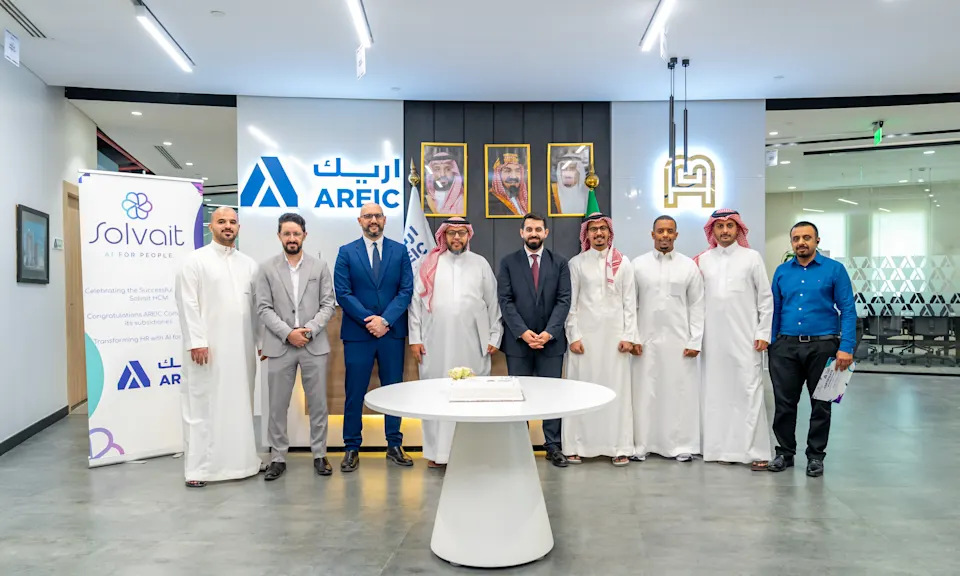
Solvait HCM Goes Live Across Almutlaq Group
Solvait HCM is now live at Almutlaq Real Estate (AREIC), Qantara Development, and Almutlaq Furniture. How one group unified HR on a single platform.
Jun 28, 2026
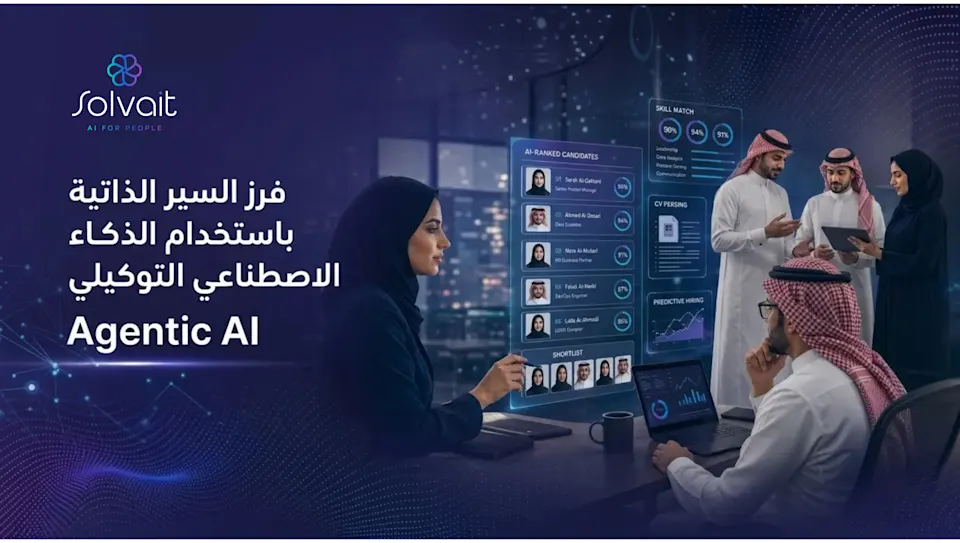
Sorting CVs using Agentic AI
How Agentic AI cuts hours of work to seconds, and how to make sure you don't lose the right candidate during fast screening in Saudi Arabia?
Jun 24, 2026
Employee Retention AI Tool
How an employee retention AI tool flags flight risk before the notice, and how GCC HR teams turn those signals into a retention strategy that works.
Jun 21, 2026